
Iboga is a powerful botanical traditionally used in Central African spiritual practices. As global interest continues to grow, many people researching this plant encounter two main product types: Iboga root bark and Iboga extract.
While both come from the same plant, they differ significantly in form, preparation, concentration, and traditional use. Understanding these differences can help you make an informed decision when sourcing authentic Iboga products.
What Is Iboga Root Bark?
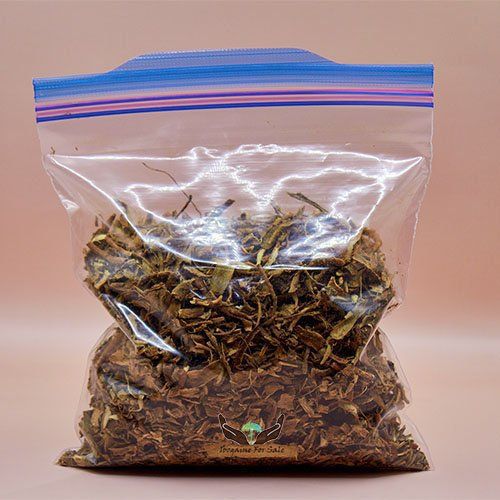
Iboga root bark comes from the root of the Tabernanthe iboga shrub, a plant native to Central Africa. The bark is typically dried and ground into powder, though it may also be sold in shredded form.
Key Characteristics:
- Raw, minimally processed botanical material
- Contains the plant’s full natural alkaloid profile
- Traditionally used in Bwiti spiritual practices
- Earthy taste and natural brown color
Root bark is considered the most traditional form of Iboga. In Bwiti ceremonies, it is used in its natural state as part of sacred rituals passed down through generations.
Because it remains close to its original botanical form, many people seeking authenticity prefer root bark.
What Is Iboga Extract?
Iboga extract is a concentrated form made by processing the root bark to isolate specific alkaloids. Extracts vary in strength depending on how they are prepared.
Key Characteristics:
- Processed and concentrated
- Smaller quantities required due to higher potency
- Often standardized for alkaloid content
- Typically encapsulated or refined
Unlike raw root bark, extracts undergo additional manufacturing steps to increase concentration. This makes them more potent by weight compared to natural bark.
Major Differences Between Root Bark and Extract
1️⃣ Processing Level
- Root Bark: Minimal processing (drying and grinding)
- Extract: Refined and concentrated
2️⃣ Alkaloid Profile
- Root Bark: Full spectrum of naturally occurring compounds
- Extract: Often focuses on concentrated alkaloids
3️⃣ Traditional Use
- Root Bark: Used traditionally in Bwiti practices
- Extract: Modern preparation method
4️⃣ Form & Appearance
- Root Bark: Powder or shredded plant material
- Extract: Capsules, resin, or concentrated powder
Which Option Is More Traditional?
From a cultural perspective, raw Iboga root bark is the traditional form used in Central African Bwiti ceremonies. It represents the plant in its natural, whole state.
Extracts are modern adaptations developed outside traditional contexts for research and controlled applications.
If your focus is cultural authenticity and full-spectrum botanical material, root bark is typically preferred.
Sourcing Matters: Quality & Authenticity
Regardless of which form you choose, sourcing is critical. High-quality Iboga products should be:
- Ethically sourced
- Properly dried and stored
- Free from contaminants
- Transparently supplied
Authenticity plays a major role in preserving both the plant and its cultural heritage.
Storage Considerations
- Store in a cool, dry place
- Keep sealed to prevent moisture exposure
- Avoid direct sunlight
- Use airtight containers
Proper storage helps maintain product quality over time.
Final Thoughts
Iboga root bark and Iboga extract come from the same plant but serve different purposes. Root bark remains the traditional, full-spectrum botanical form, while extracts are concentrated, modern preparations.
Understanding these differences helps ensure you select the option that aligns with your goals and values.
If you are looking for authentic, ethically sourced Iboga products, always choose suppliers who prioritize quality and respect for the plant’s cultural origins.